
Where
neuroscience
meets
Where
neuroscience
meets
therapy
Greater Productivity
Enhanced focus
EMOTIONAL BALANCE
Lucid is a combination of talking therapy and tDCS (transcranial direct current stimulation)
What is tDCS?
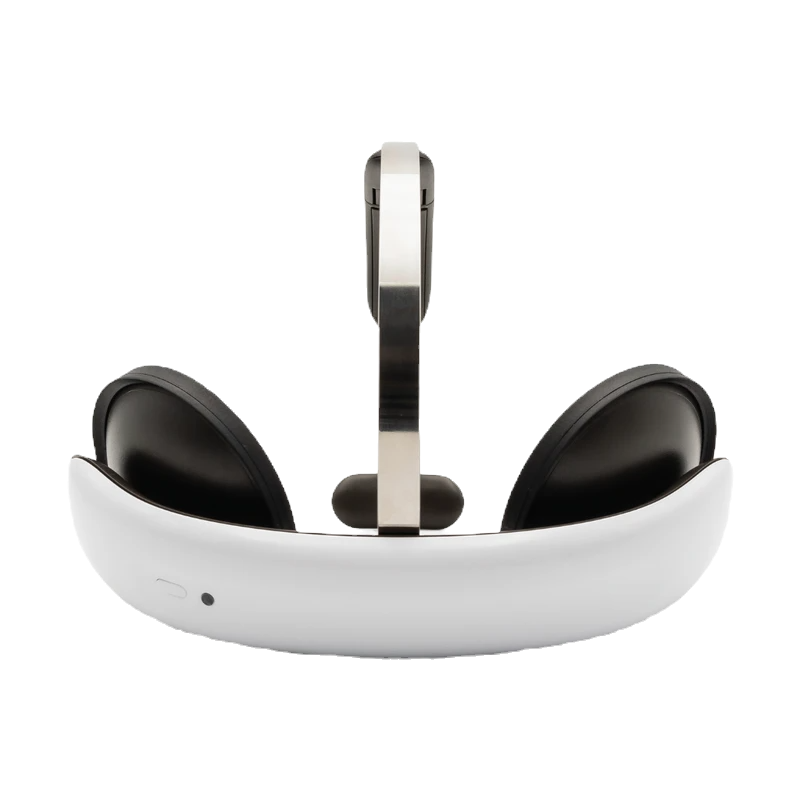
tDCS stands for transcranial direct current stimulation. It’s a non-invasive, gentle brain stimulation technique that uses a very small electrical current to support brain activity.
-
How it works: Tiny currents are delivered through a headset to specific areas of the brain.
-
What it feels like: Most people feel a slight tingling or warming sensation at the start.
-
Purpose: It’s used alongside therapy to help improve mood, focus, and emotional balance.
-
Safety: tDCS is widely studied, non-invasive, and considered low-risk when supervised by a trained professional.
Think of it as a tool to support your brain during therapy, not a replacement for counselling or medical treatment.
What to expect
1. Initial Consultation
An informal conversation with Viv to understand your needs and assess whether Lucid is the right fit.
2. Structured Sessions
A series of 30-minute Flow sessions alongside regular counselling, typically over 3–12 weeks.
3. Review & Next Steps
We reflect on progress and explore whether ongoing support or a personal/team headset would be beneficial.
Lucid may support individuals experiencing:
therapy
-
Low mood
-
Anxiety
-
Burnout
-
Brain fog
-
Reduced motivation
-
Stress-related overwhelm
At the heart of Lucid is one simple aim:
To create a safe and trusted space where conversations around mental health are normal, encouraged and completely confidential.